


We’re happy to answer any questions you might have, with no commitment to proceed with treatment.
Pectus carinatum treatment
Leading experts in non-surgical treatment for pectus carinatum and rib flaringOur modern, comprehensive treatment package can correct your chest shape without surgery with a combination of bespoke bracing and exercises.
We’re proud to have pioneered this treatment in the UK since 2010 and have achieved outstanding results for our patients.
Pectus carinatum is a chest wall deformity that causes the breastbone (sternum) to become pushed outwards. At LOC, we’ve been pioneering advanced non-surgical pectus carinatum treatment since 2010, achieving life-changing results for patients of all ages.
Treatment options depend on a few factors, such as:
- the flexibility of your chest: the more flexible your chest wall, the better it responds to non-surgical correction
- your age: while younger patients, particularly teenagers, tend to have more flexible chests and may see quicker results, we have also achieved excellent outcomes for adult patients
- how severe your pectus carinatum is: while some cases may require surgery, most patients see remarkable results with non surgical treatment
Our comprehensive treatment package
Our non-surgical treatment package involves:
- a bespoke dynamic chest compressor brace: a bespoke brace that guides the breastbone back into a more typical position
- a rib flaring brace: an innovative brace that corrects flared ribs
- a bespoke exercise and breathing programme: designed to enhance bracing results and support long-term posture
The best way to find out if our treatment package is right for you is to book a free virtual consultation with one of our specialist pectus clinicians.
Patient success story
Ben's bracing treatment experience
Ben came to see us when he was 14 years old, with pectus carinatum and rib flaring. He’d only previously been offered surgical solutions on the NHS and knew surgery was something he wanted to avoid.
His age made him an ideal candidate for chest bracing treatment and he started to notice fast, visible results in his chest shape after wearing the dynamic chest compressor and rib flaring brace for only a short period of time.
“His treatment lasted a total of 15 months, but he successfully achieved a flat chest after only six months,” says clinician Sam Walmsley. “The remaining nine months consisted of night-time brace use only, in order to maintain the much-improved appearance throughout his growth spurts.”

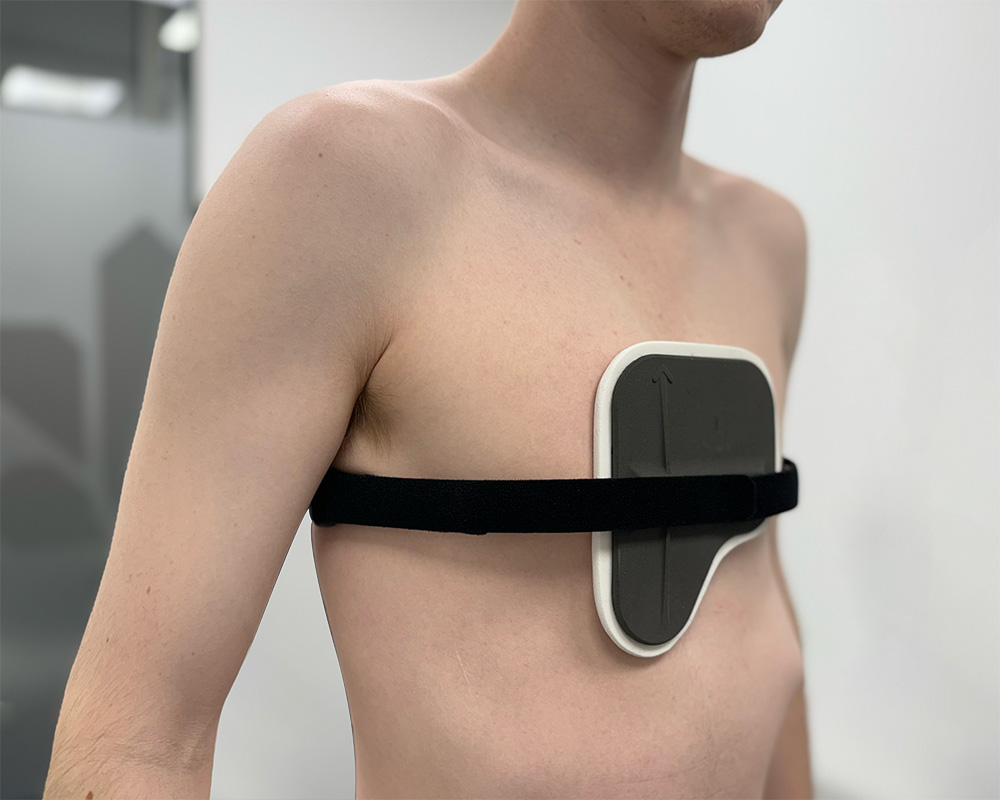
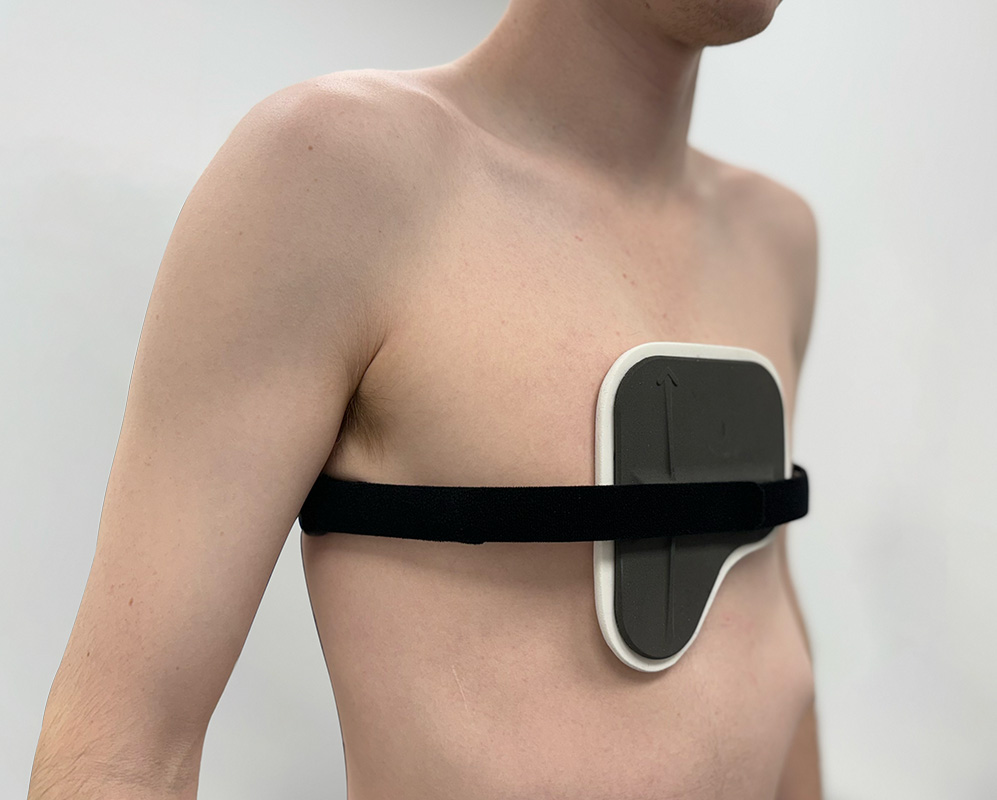
Dynamic chest compressor brace
Lightweight, discreet, and easy to wear, the dynamic chest compressor is a custom-fit orthosis that applies gentle, controlled pressure to reshape the chest over time.
Over time, the brace gradually reshapes the chest, pushes the breastbone in and flattens the carinatum area, improving its appearance.
Rib flaring brace
Many patients experience rib flaring as part of pectus carinatum. Our secondary rib brace gently guides the lower ribs into a more natural position, creating a smooth, even chest shape.
This is because treatment with the dynamic chest compressor brace can work so effectively that when the breastbone area is pushed in, it can cause the ribs to stick out (become ‘flared’).

Slimline dynamic chest compressor brace
A non-surgical solution to correct your chest shape-
Slim, low-profile design
A discreet, streamlined fit makes the brace less noticeable under clothing. Making it easier to wear and helping you feel more confident during treatment.
-
Lightweight and comfortable
Our new design uses lighter-weight aluminium bars, making it easier to wear, carry about, and integrate into your daily life.
-
Easy to take on and off
Fabric straps make it easy to put the brace on and take it off quickly and by yourself.
-
Adjustable fastening system
The new fastening system allows you to tighten the brace more easily should you wish. This allows you to increase or decrease the pressure depending on your comfort levels.
-
Removable 3D-printed foam pads
The brace’s soft, removable foam pads are easy to clean and swap out during treatment. This means we can increase the pressure points and optimise the brace as your chest shape responds to treatment.
Results: before and after


Why choose us for your pectus treatment
-
Unrivalled expertise
LOC has pioneered this treatment method in the UK since 2010. Since then, we have continued to improve and iterate our brace design for optimal results.
-
Personal support
Regular communication and check-ins with your dedicated orthotist keep patients and parents motivated throughout treatment.
-
On-site workshop facilities
Which means our clinicians can make any necessary adjustments or tweaks to the brace to make sure it’s comfortable and working optimally.
-
Holistic approach
We treat more than just pectus conditions. That means we can address any underlying factors and offering postural and biomechanical assessments as needed.
Treatment length
We understand that most patients come to us because they’re unhappy with their chest shape, and our goal is to help you feel happy with the results.
The timeline for your treatment depends on how you feel about your chest’s appearance. Whether it’s feeling comfortable enough to go shirtless in public or simply not noticing the deformity anymore, we’ll help you achieve your goals.
For patients with flexible chest walls, improvements can happen quickly, so we monitor your progress closely, especially in the early stages. It may take adult patients longer to see results, but we’ve had excellent outcomes with patients over the age of 30.
Our pectus treatment package
Tailored pectus exercise classes
As part of our core treatment package, we offer tailored pectus exercise classes with Alva Yoga specifically designed to complement our patients’ non-surgical chest bracing treatment.
Alva runs two online classes a week, one flexibility class and one muscle loading class.
Flexibility class: Focuses on opening the shoulders and chest, building strength in these areas, as well as in the legs and back muscles. The objective is to lengthen the spine, increase flexibility, and improve mobility, all of which contribute to promoting a better posture.
Loading class: Concentrates on building up chest muscles through a combination of strengthening and flexibility exercises. This class aims to enhance overall strength and structural support in the chest area.
Learn more about how tailored exercises can improve bracing treatment outcomes

Pectus carinatum treatment pricing
We’re committed to always being as transparent as possible with our treatment costs. If you have any questions, please feel free to ask.
-
Online consultation
Free -
Pectus carinatum consultation with an orthotist
£200 -
Pectus carinatum treatment package (Under 18s)
£2,805- 3D topographical chest scan, measurements, and clinical photography of your chest
- a bespoke dynamic chest compressor
- fitting and up to two years of review appointments
- a bespoke stretching and exercise regime
- a sports therapy session to guide you through the exercise regime
- access to online strength and flexibility classes specifically designed for patients going through treatment
- any repairs required to your brace
-
Pectus carinatum treatment package (Adult)
£3,225- 3D topographical chest scan, measurements, and clinical photography of your chest
- a bespoke dynamic chest compressor
- fitting and up to two years of review appointments
- a bespoke stretching and exercise regime
- a sports therapy session to guide you through the exercise regime
- access to online strength and flexibility classes specifically designed for patients going through treatment
- any repairs required to your brace
-
Bespoke rib flaring brace (if required)*
£935
*Not all patients require a rib flaring brace. As a result, they are not included in the treatment package prices and are charged for separately.

The LOC Promise
We believe in the power of bespoke orthotics to change lives. That’s why we’re committed to providing the best possible treatments for our patients.
Patient success stories
View all patient stories-

- Patient name: Aris
- Treatment: Pectus carinatum treatment
- Age: 13
- Orthotist: Sam Walmsley
- Travelled from: United Kingdom
“You can tell the difference it has made to Aris. I go with him to his swimming training, and before he began treatment, he used to be really self-conscious about his chest and used to cover it with his hands by the poolside. Now he doesn’t.”View patient story -

- Patient name: Will
- Treatment: Pectus carinatum treatment
- Age: 11
- Orthotist: Connor Mumford
- Travelled from: United Kingdom
“I searched for people who could help treat the condition and found LOC. We were delighted to find that LOC had a clinic in Kingston, as we live nearby.”View patient story -

- Patient name: Jack
- Treatment: Pectus carinatum treatment
- Age: Adolescent
- Orthotist: Connor Mumford
- Travelled from: United Kingdom
“We are over the moon with the results to date, a massive improvement, and so quickly; the scans tell the full story.”View patient story -

- Patient name: Sean
- Treatment: Pectus carinatum treatment
- Age: 26
- Orthotist: Sam Walmsley
- Travelled from: USA
"It felt good to finally feel relatively confident in t-shirts, and even feel better when taking my shirt off as well... I encourage anybody thinking about pectus bracing to strongly consider LOC, as I wholeheartedly recommend them."View patient story
Frequently Asked Questions
View some of the most asked questions about Pectus carinatum treatment here, or search below for a question you might have.
Don’t forget you can always send us a message or give us a call on 020 8974 9989 if you’d prefer.
-
Treatment for adolescent pectus carinatum patients typically takes anywhere from six months to two years to complete.
Wearing the brace consistently leads to better results. The more committed you are to following the prescribed wearing routine, the more effective the treatment will be.
-
Yes, mild bruising is nothing to worry about and can differ from patient to patient. Usually, it’s a good sign as it indicates that you have been committed to wearing the brace and that you are applying sufficient pressure to remodel your chest shape. Your clinician will keep an eye on this throughout treatment and will be able to tell you if your brace is too tight.
If you notice significant bruising or skin irritation, consult your clinician, as it may mean the brace is too tight and needs adjustment by your orthotist. -
For many patients, particularly those treated early, bracing can significantly improve chest wall deformities and may eliminate the need for surgical intervention. For older patients or those with severe deformities, bracing can still provide substantial improvement and may be recommended as part of a comprehensive treatment plan, sometimes alongside surgical options
-
Consistency is key for effective treatment. Not wearing the brace as prescribed can slow down progress or lead to regression of the correction achieved. It’s important to follow the clinician’s guidelines to get the best results.
-
The duration of daily wear varies depending on the severity of the condition and the stage of treatment. Typically, patients are advised to wear the brace for 16-23 hours a day in the initial stages. As treatment progresses and improvement is seen, the wearing time may be gradually reduced.
-
It’s normal to feel a little uncomfortable at first as your body adjusts to the brace. Most people find this goes away after the initial adjustment period. If you’re experiencing ongoing pain or irritation, let us know right away so we can make adjustments.