

We’re happy to answer any questions you might have, with no commitment to proceed with treatment.
13 May 2019
Scoliosis Advice
Scoliosis: Which chairs, mattresses and pillows should I be using?
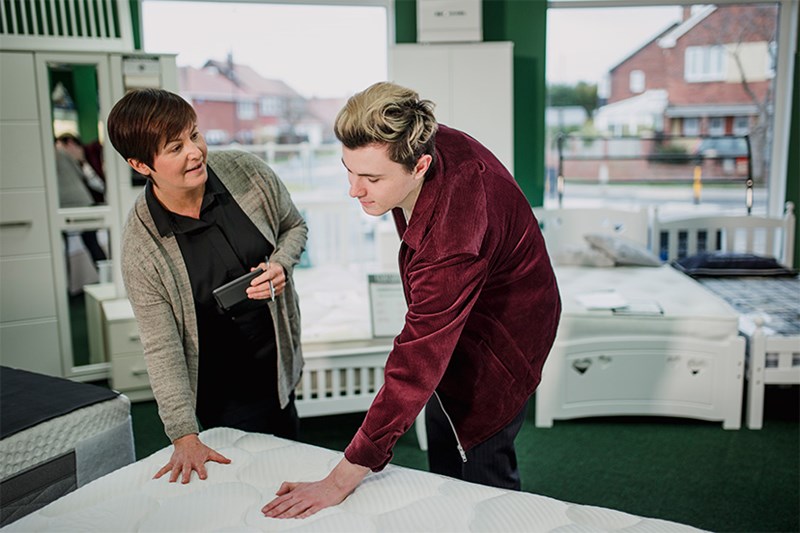
When patients are undergoing treatment for scoliosis, they often ask our scoliosis specialists questions about which lifestyle changes they can make to help alleviate symptoms, make the most out of bracing or reduce the likelihood of their spinal curve progressing. Those with severe scoliosis curves may experience difficulty sleeping due to aches, pain and inflammation.
Below are some of the most common questions about chairs, furniture, sitting positions and mattresses, asked by patients undergoing treatment, with LOC’s Schroth-Certified physiotherapist to answer them.
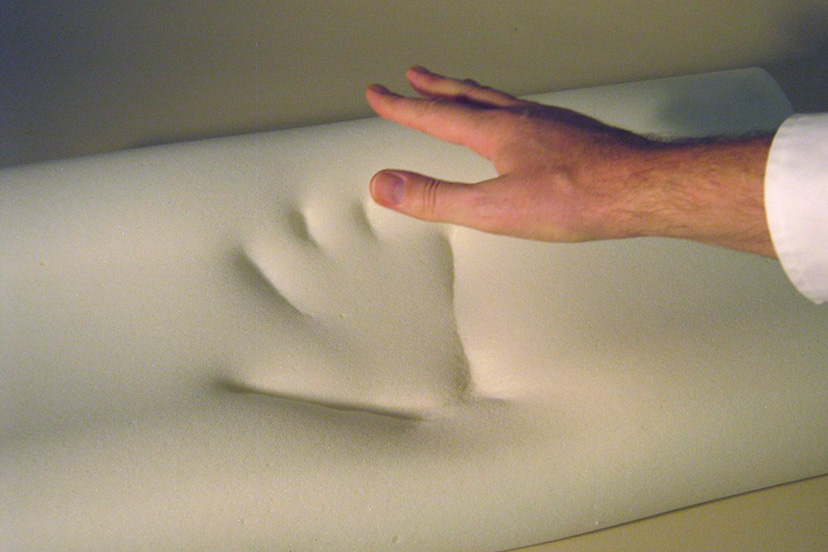
Do you recommend any specific chair, pillow or mattress brands to scoliosis patients?
We don’t recommend a specific product to patients at present, just the guidance above.
Which position is best to sleep in if you have scoliosis?
Another common question – though you would need to be assessed by a physiotherapist to be sure advice is suited to you. Scoliosis treatment at the London Orthotic Consultancy is entirely bespoke; the Cheneau-Gensingen brace is tailored to each curve as well as the breathing and Schroth-based physiotherapy exercises. Sleep positioning will likewise be specific to the type and severity of scoliosis.
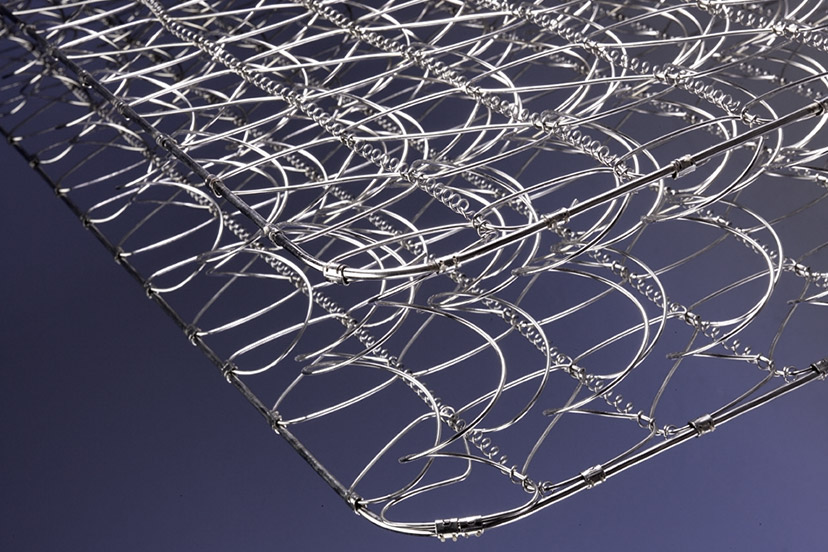
What sort of chair is best for my scoliosis?
Another popular question. The simple answer, again, is it depends on what your issues are. There are many seating products that claim to reduce back pain although the majority are extremely costly as they’re made with expensive material and manufacturing costs.
My general advice, for those without mobility issues or complex medical needs is:
If you work in an office, have a desk assessment completed to ensure your desk level to monitor ratio is at its optimum.
Use a chair with height adjustment settings and lumbar and head support.
Try not to sit for more than 40 minutes at a time – your postural muscles will get tired and your posture will collapse. Take one or two-minute breaks and change position to reset. We were designed for hunting and gathering, not data entry, hence why back pain is the second most common cause of absence from work in the UK.
second most common cause of absence from work
When not using the computer, use the support of a chair with lumbar and head support to recline and relax into.
If you can’t find a comfortable position, consider a standing desk if your workplace is willing to accommodate.
Modern sofas are generally terrible for back support and you will tend to slouch into sacral sitting, so use a firm and supportive armchair preferably.
If you’re tall – small, short-legged chairs will automatically cause you to slouch. If possible, go for a chair with a seat that reaches your knee height level or higher.
If you’re short – you’re more likely to struggle to reach your feet to the floor and will therefore perch and slouch at the edge of a chair. The deeper the chair the more likely this will happen so try to find one with a shallow seat.
What can you do if you spend a lot of time in a car all day and suffer from scoliosis?
Take regular breaks and consider postural advice from a physiotherapist to help offload certain postural muscles.
Our specialist Scoliosis clinic in our headquarters clinic in Kingston, though we also offer a Schroth physiotherapy clinic at The Portland Hospital in central London. You can make an appointment at any of our scoliosis clinics by calling 020 8974 9989.
-
The operation used to treat severe scoliosis curves is typically spinal fusion surgery; a major procedure that involves moving muscles and realigning the skeleton into place. The curved, deformed vertebrae are fused together into a single bone, putting metal screws and rods into the spine to help straighten it. Surgery typically lasts between 4 and 8 hours depending on the severity of the curve. Bone graft is then taken from other parts of the body and used to cover the implants.
-
Following the operation, it is necessary to spend around a week in intensive care before returning home and the first few days are often uncomfortable. Most adolescents can expect to return to school from 2-4 weeks following surgery, but pain medication may be required up to 6 weeks following. A full recovery from the procedure can take up to a year, as it can take that long for the spine to heal fully. Spinal fusion surgery causes the fused portion of the back to become permanently stiff, as a result, returning to sports that require large amounts of flexibility (ballet, yoga, gymnastics, dance) or contact (rugby, football, karate, hockey) may take longer.
-
Risks of spinal fusion surgery are like that of any other major procedure and include infection, blood clots and anaesthesia complications. The added risks include permanent nerve damage to the spine and paralysis.