

We’re happy to answer any questions you might have, with no commitment to proceed with treatment.
26 June 2017
Scoliosis awareness day
Understanding Scoliosis: What It Is and How We Can Help
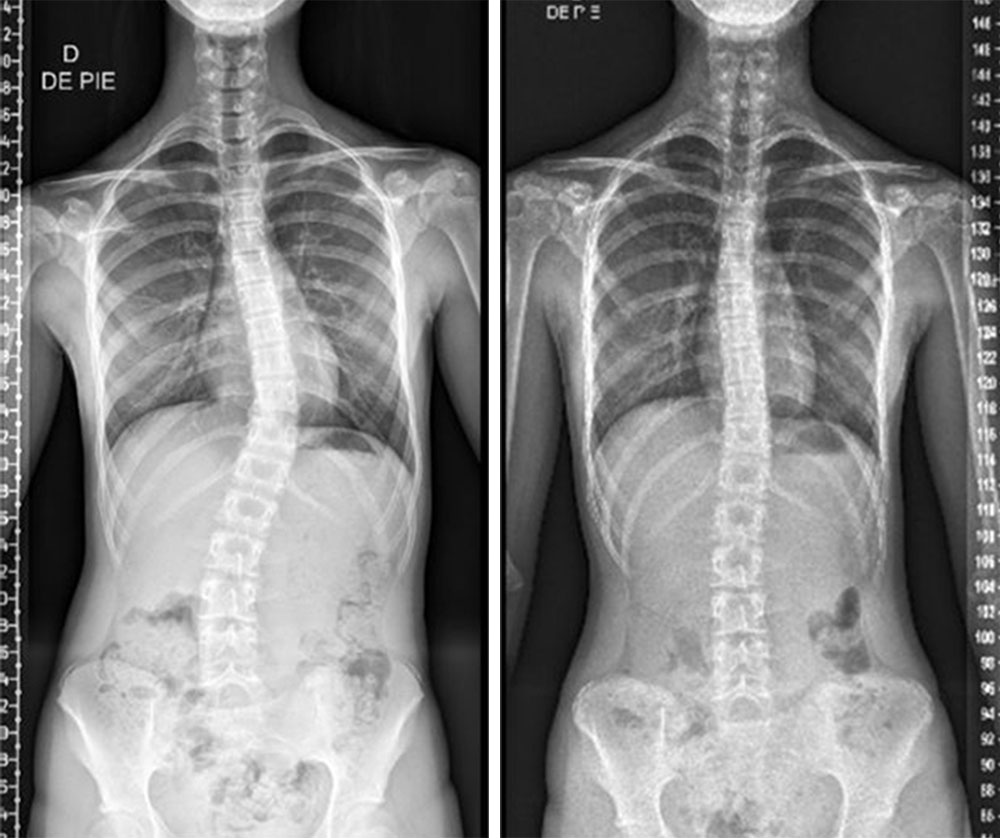
Scoliosis (pronounced sko-lee-o-sis) is more common than you might think—it affects one in 250 children in the UK. The term itself comes from Ancient Greek, meaning “bending,” and was first described by the physician Hippocrates over 1,500 years ago.
At London Orthotic Consultancy (LOC), we’re always working to offer the best possible treatments for scoliosis. That’s why we became certified in Schroth physiotherapya specialist exercise programme that’s proven to help manage scoliosis. Alongside this, we also prescribe the Cheneau-Gensingen brace, one of the most effective braces available for scoliosis today.
So, let’s break it down: what is scoliosis, and what are the best treatment options?
What is scoliosis?
Scoliosis is when the spine curves and twists into an S- or C-shaped. It can sometimes be linked to conditions like muscular dystrophy, cerebral palsy, Marfan syndrome, or Ehlers-Danlos syndrome. But in most cases, the cause is unknown.
There are different types of scoliosis, depending on when it develops:
- Adolescent idiopathic scoliosis (AIS), the most common type, appears in teenagers, especially during growth spurts.
- Juvenile idiopathic scoliosis is seen in younger children (aged five to ten), though it’s less common.
- Adult scoliosis: once the spine is fully grown, scoliosis can’t be ‘corrected’ with a brace, but treatment can help with pain management and posture.
What are the treatment options?
Not everyone with scoliosis needs treatment it depends on age, severity, and how quickly the curve is progressing. Some people simply need monitoring, while others may need treatment to stop the curve from getting worse. In severe cases, surgery is an option, where the spine is straightened and fused using a bone graft.
For those looking for non-surgical treatment, we offer a combination of Schroth physiotherapy and the Cheneau-Gensingen brace, both of which have strong evidence supporting their effectiveness.
What is Schroth physiotherapy?
Schroth physiotherapy is a specialist exercise programme developed in Germany in the 1920s. It focuses on postural correction, breathing techniques, and targeted exercises to improve spinal alignment, reduce pain, and stop scoliosis from getting worse.
There are two main approaches:
- Traditional Schroth therapy designed for adults with larger, stiffer curves, helping to manage pain and improve posture.
- Modern Schroth therapy is adapted for children and teenagers, using specific exercises and overcorrection techniques to guide the spine into a better position.
This method is widely used across Europe and has helped reduce the need for surgery in many countries where it’s more commonly prescribed.
What is the Cheneau-Gensingen brace?
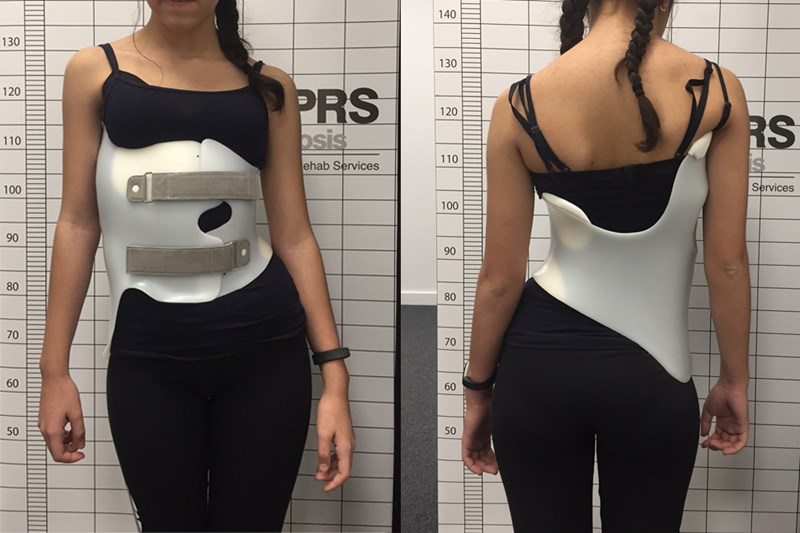
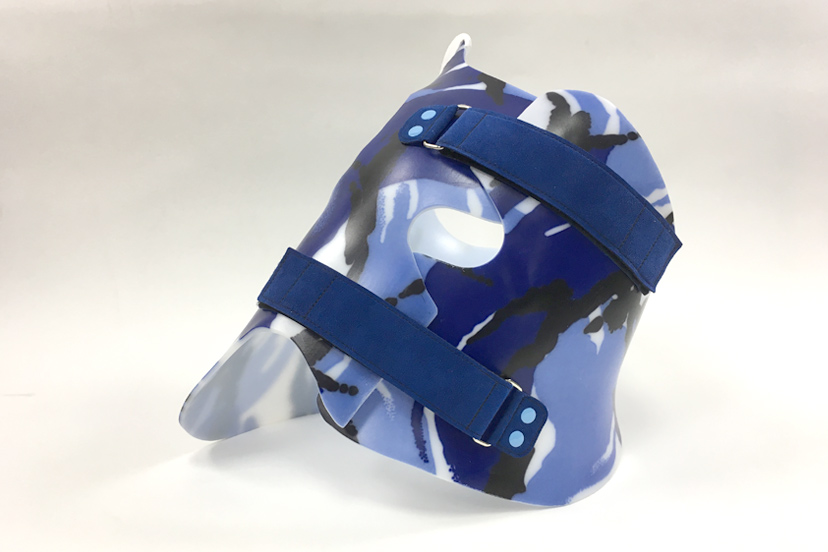
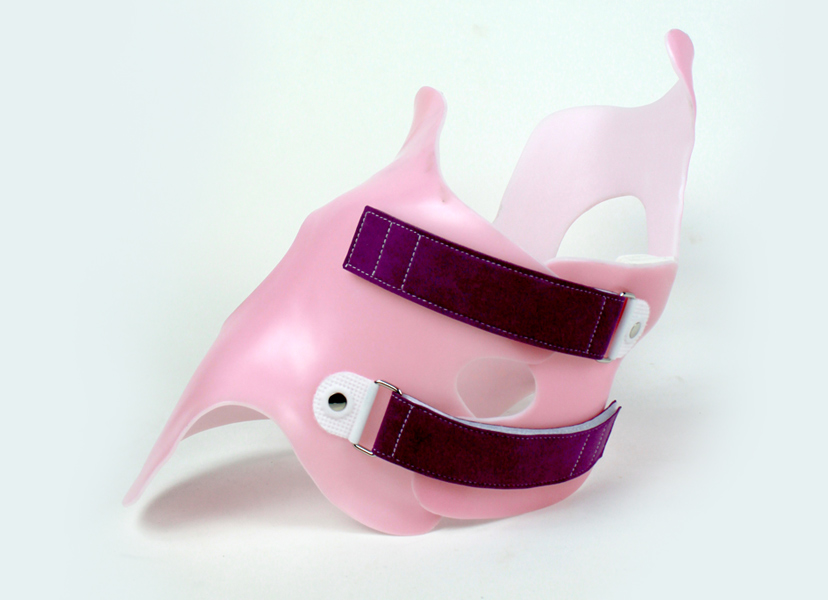
The Cheneau-Gensingen brace is an evidence-based, custom-made scoliosis brace that gently guides the spine into a straighter position. It’s designed using computer-aided design (CAD) technology to ensure a precise, comfortable fit.
This brace is different from traditional braces because:
- It corrects the spinal curve rather than just stopping it from getting worse.
- It’s designed to work alongside Schroth physiotherapy, making treatment more effective.
- It has built-in spaces to allow for breathing and movement, making it more comfortable than older designs
Cheneaue-Gensingen brace
How does it compare to other braces?
The Boston brace, which has been used since the 1970s and is still prescribed by the NHS, works by holding the spine in place. However, research shows it doesn’t correct the curvature; it just prevents it from worsening.
The Cheneau-Gensingen brace, on the other hand:
- Actively corrects the spine in three dimensions, following the principles of Schroth therapy.
- Allows for movement and breathing, making it more comfortable to wear.
- Has a success rate of over 95% when used correctly.
What’s next?
If you or your child has scoliosis, there are effective, non-surgical treatments available. We’re here to help you understand your options and find the best approach for your individual needs.
Want to know more? Contact us to book a consultation and see how we can support you.