

We’re happy to answer any questions you might have, with no commitment to proceed with treatment.
Club foot explained
World Clubfoot Day highlights the importance of early treatment for clubfoot. The Ponseti Method, combined with the Cunningham brace, offers a more comfortable and effective way to correct the condition. At LOC, we provide tailored treatments for babies and adults to help improve mobility and quality of life.

Ponseti International Association’s World Club foot Day – June 3rd is an important day to raise awareness about club foot and the treatments available. It’s also the birthday of Dr. Ignacio Ponseti, who developed the Ponseti method for treating club foot. In the UK, about one in every 1,000 babies is born with club foot, and if left untreated, it can lead to pain and difficulty walking later in life. If you’re a parent concerned about your baby’s feet, you’re probably wondering what treatment options are available.
The key to successful treatment is acting early, while your baby’s bones are still soft and flexible. The Ponseti Method is a well-established treatment that’s supported worldwide by experts, including those at Great Ormond Street Hospital.
What Is the Cunningham Brace?
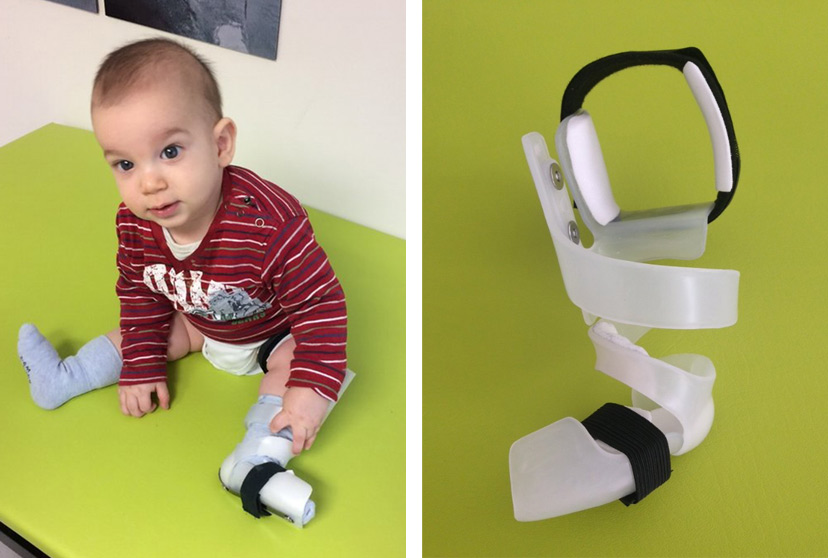
It’s important to understand that our Cunningham brace treatment isn’t an alternative to the Ponseti Method. Instead, it’s a follow-up treatment using dynamic orthotic bracing, developed by American prosthetist Jerald Cunningham. We’re the only clinic in the UK that offers this treatment, which provides an alternative to the traditional “boots and bar” method.
While boots and bar are effective, they can be challenging for both children and parents because they are rigid. Getting a child to wear them consistently can be difficult and uncomfortable.
What Is Club foot?
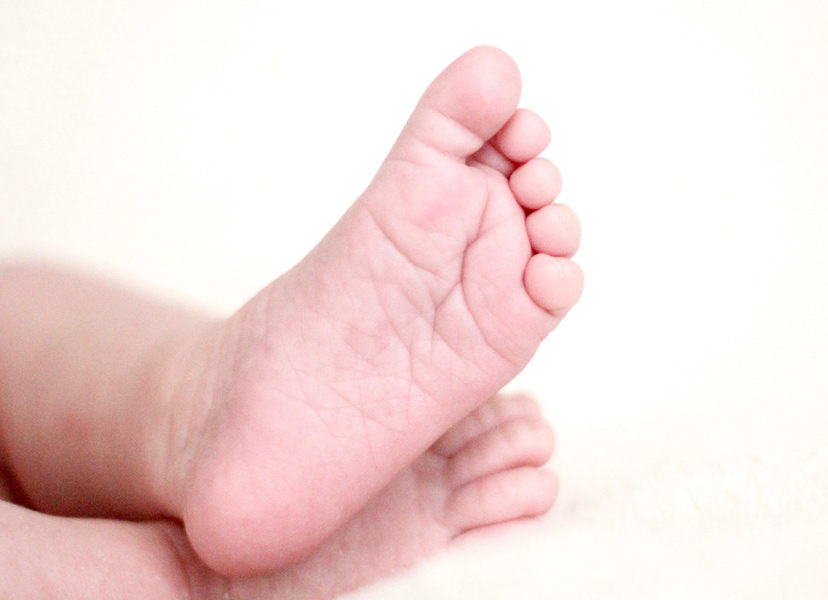
Club foot, or congenital talipes equinovarus (CTEV), is a condition where the feet are turned inward and downward. “Congenital” means it’s present at birth, and “talipes equinovarus” refers to the foot positioning. If untreated, club foot can make it look like a child is walking on the sides of their feet or even their ankles, leading to long-term difficulty walking.
Boots and Bar vs. The Cunningham Brace
So, what’s the difference between boots and bar and the Cunningham brace? Boots and bars are a rigid treatment that holds the feet in place with a bar between them. After Ponseti treatment, boots and bar are worn all day for the first three months, then during naps and nighttime until your child is around five or six years old.
Although boots and bar are effective, they can be uncomfortable, and getting a child to wear them can be a challenge. They require a tight fit to work, which can be counterproductive since kids naturally want to move. This can lead to discomfort, rubbing, and trouble sleeping.
The Cunningham brace, however, uses a dynamic spring system that holds the foot in an overcorrected position, but your child can still move if they want to. Because the brace is dynamic, it stays secure even when they’re moving around. This helps their muscles, particularly the calf muscles, develop properly. In fact, we’ve seen that children’s calf muscles often become more balanced with the Cunningham brace than with boots and bars.
What’s more, the Cunningham brace can be adjusted for your child’s specific needs. For example, if a child has overlapping toes or a tight heel cord, we can make changes to the brace to address those issues.
Why Start Early?
The first year is a crucial period for treatment because your baby’s bones and tissues are still soft and malleable. The Cunningham brace is worn for 23 hours a day during this time to help gently and consistently adjust the feet. After the first year, we reduce the brace use to naps and nighttime.
Because the Cunningham brace works while your child is standing and continues to work while they sleep, the treatment time can often be much shorter. While boots and bar usually take about five to six years, treatment with the Cunningham brace can often be completed in two to three years.
How Does the Cunningham Brace Fit with the Ponseti Method?
The Cunningham brace is a follow-up treatment to the Ponseti Method. The Ponseti method involves manipulation and casting of the affected foot for around five to eight weeks. After this, a small surgery is often performed to lengthen the Achilles tendon. Once that’s done, boots and bar are typically used.
Some parents contact us even before their baby is born to ask about treatment options. Others come to us later if they’re having trouble with boots and bar and want to find a gentler option. Once the Cunningham brace is fitted, children typically wear it for five or six months before moving to a new brace for the next year, and then another brace for the final year.
Club foot Treatment in Adults
Treatment for club foot isn’t just for babies; adults can benefit too. Some adults may not have had access to the Ponseti Method when it was first introduced in the UK. But insoles, custom footwear, and ankle-foot orthotics (AFOs) can help alleviate symptoms and improve comfort.
Get in Touch for Help
If you’re concerned about club foot—whether in your baby, child, or even as an adult—we’re here to help. We offer treatment for babies at our Kingston headquaters’ clinic, and for adults, treatment is available at all of our satellite clinics. You can reach out to us using our online form or call 020 8974 9989 to schedule a consultation.