

We’re happy to answer any questions you might have, with no commitment to proceed with treatment.
How lower limb orthotics can improve your mobility
We’re often asked what lower limb orthotics are and how they can help with movement, stability, and pain relief. So, here’s a straightforward guide to what they are, how they work, and who they can help.

What are lower limb orthotics?
Lower limb orthotics are devices that support, align, or improve how your legs, knees, ankles, or feet work. They can be as simple as shoe inserts or as advanced as full-leg braces that support movement from your foot all the way to your hip.
These orthotics are often prescribed by specialists like orthotists, physiotherapists, and orthopaedic surgeons to help improve mobility, reduce pain, and prevent further issues.
Conditions treated with lower limb orthotics
Lower limb orthotics can help people with many different conditions, including:
- Neurological conditions, like cerebral palsy, multiple sclerosis, or stroke, where muscle control and coordination may be affected.
- Musculoskeletal conditions, such as osteoarthritis, rheumatoid arthritis, and scoliosis, can cause pain, joint instability, or changes in posture.
- Injury recovery, including support after fractures, ligament injuries, or joint replacement surgery.
- Congenital conditions, like spina bifida or clubfoot, where early intervention can improve movement and quality of life.
- Chronic pain conditions, such as lower back or knee pain caused by misalignment or uneven weight distribution.

Types of lower limb orthotics
There are many types of lower limb orthotics, each designed for specific needs.
Foot Orthotics (FOs)
- Insoles or shoe inserts that provide support and help align the foot.
- Used for conditions like flat feet, plantar fasciitis, or high arches.

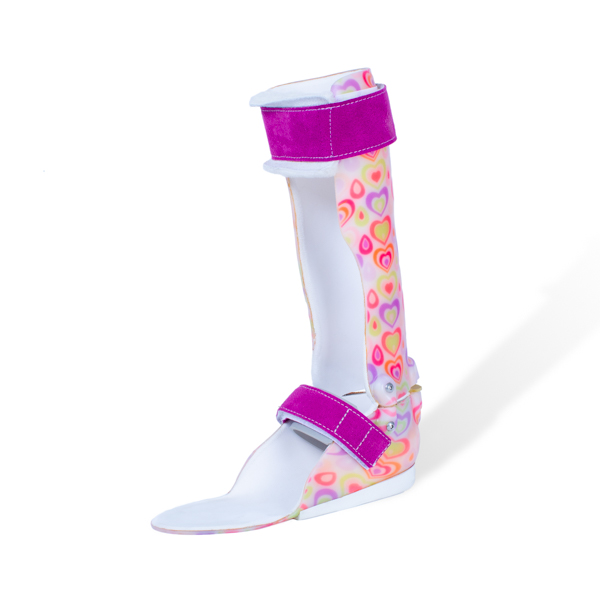
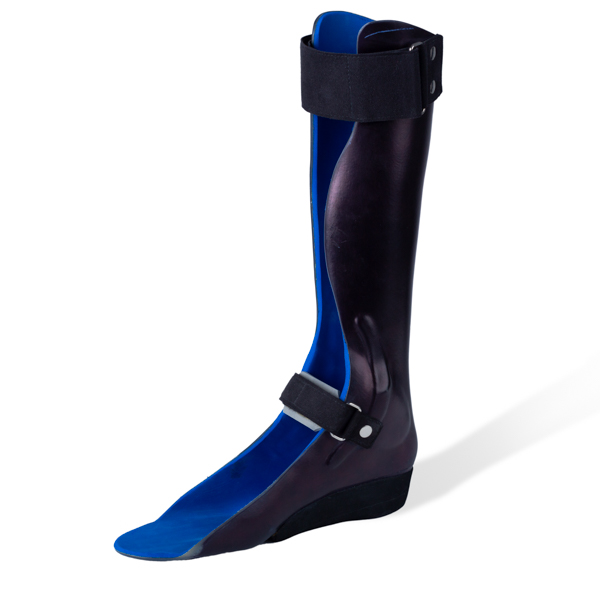
Ankle Foot Orthosis (AFOs)
- Braces that support the ankle and foot, extending up to just below the knee.
- Often used for foot drop (when you can’t lift your foot properly), cerebral palsy, or after a stroke.
- Can be solid (fixed at the ankle) to stabilise walking or hinged (articulated) to allow some movement.
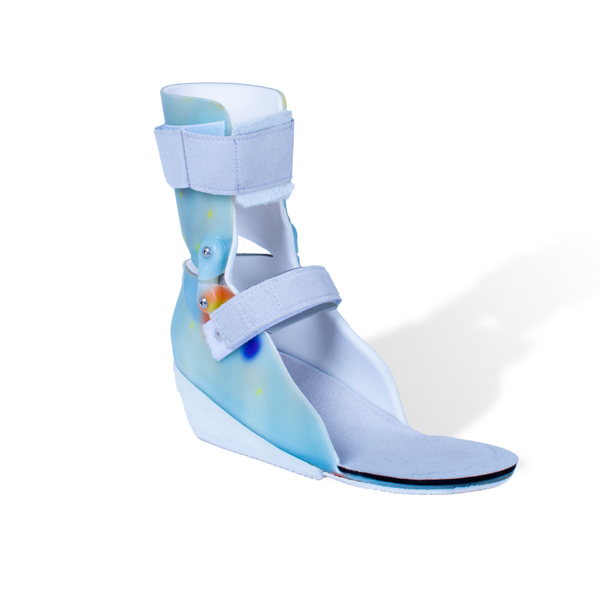
Supra Malleolar Orthosis (SMOs)
- Smaller braces that support just above the ankle bones.
- Common for children with developmental conditions like cerebral palsy or Down syndrome.
- Offer stability while allowing more movement than AFOs.
Knee Ankle Foot Orthosis (KAFOs)
- Braces that support from the foot to the thigh, stabilising the knee, ankle, and foot.
- Used for severe muscle weakness, paralysis, or conditions like post-polio syndrome.
Hip Knee Ankle Foot Orthosis (HKAFOs)
- Extend all the way up to the hip for full-leg support.
- Often prescribed for spina bifida or spinal cord injuries where both legs need support.
Knee Orthosis (KOs)
- Braces that support and stabilise the knee joint.
- Used for ligament injuries (like ACL tears), arthritis, or recovery after knee surgery.
Hip Orthosis
- Braces that stabilise the hip joint.
- Often used for hip dysplasia (when the hip joint doesn’t develop properly) or after hip surgery.
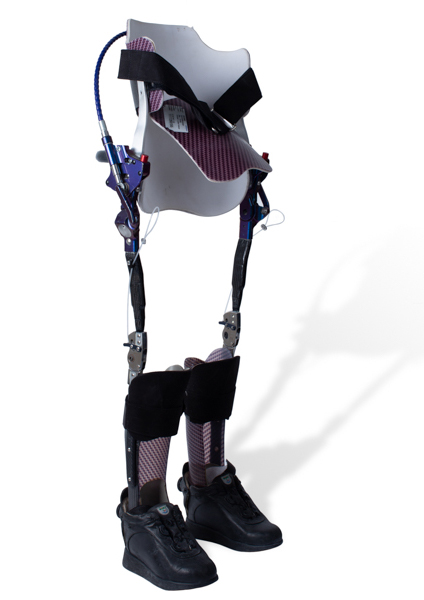
Reciprocating Gait Orthosis (RGO)
- Specialised braces designed for people with lower limb paralysis.
- Use a system of hinges and locks to help with walking movements, even if you have limited muscle control.
(Read about how a Reciprocating Gait Orthosis helped Ted get back on his feet.)
How lower limb orthotics help
Orthotics aren’t just about support, they actively help you move better, feel better, and stay active. Here’s how:
1. Stability and Support
- If your joints are weak or unstable, orthotics provide the support needed to move safely.
- This is especially helpful for people recovering from injuries, arthritis, or surgery.
2. Correcting Alignment Issues
- Orthotics can help straighten or support joints affected by conditions like clubfoot, knock knees, or bowlegs.
- They also improve gait (how you walk) if a neurological or muscular condition affects movement.
3. Pain Relief
- By improving alignment, orthotics reduce pressure on joints, which can ease knee, hip, or lower back pain.
4. Rehabilitation After Injury or Surgery
- After an injury or operation, orthotics help protect healing tissues while restoring movement.
They also prevent further complications, keeping you mobile while you recover.
5. Preventing Injuries
- Athletes and active individuals sometimes wear orthotics to reduce strain, prevent sprains, or support joints that take a lot of impact.
6. Improving Mobility and Independence
- For people with neurological conditions, orthotics make walking easier and reduce the risk of falls.
- For example, an AFO can help someone with foot drop lift their foot properly, preventing tripping.
Bespoke orthotics and gait analysis
At London Orthotic Consultancy, we take a personalised approach to orthotics. We design each device to match your needs, using the latest technology to improve comfort and function.
A key part of this process is gait analysis, a detailed assessment of how you walk. Our video vector gait labs measure joint angles, muscle activity, and how your body moves. This helps us fine-tune your orthotic to make sure it’s giving you the best possible support.
We also track your progress over time to see what’s working and adjust if needed.