
We’re happy to answer any questions you might have, with no commitment to proceed with treatment.
12 July 2022
George Coles arthritis digest
Featured orthotist George Coles explains the importance of splints, braces and insoles in Arthritis Digest

“Splints, braces and insoles can reduce the need for surgery and strong painkillers”, explains George Coles
My goal when I see people with arthritis is to help manage pain, increase mobility, and improve the overall quality of life. How? By using special devices, orthoses to correct deformities, support weak joints, and reduce pain or strain when the affected joints are being used in everyday life.
These devices most commonly tend to be knee braces, wrist braces, ankle braces, and insoles. But when customising devices, you can combine devices into something more tailor-made
Arthritis can be a limiting condition and the medicine today is fantastic. But often arthritis comes with biomechanical issues, longstanding or otherwise. Orthotists specialise in biomechanics and applying orthoses to support these patients.
How Orthotics Can Help with Arthritis
If you’re living with arthritis, you know how much it can affect your daily life. Simple tasks like walking, writing, or even opening a jar can become painful and frustrating. At LOC, we specialise in orthotic solutions that can help manage pain, improve mobility, and support your joints, so you can stay as active and independent as possible.
What is an orthosis, and how can it help?
An orthosis is a custom-made or off-the-shelf device designed to support and protect your joints. This could be a knee brace, wrist support, ankle brace, or specialised insoles whatever works best for your needs. These devices help by:
- Reducing strain on affected joints
- Providing stability and support
- Helping to realign or offload pressure from painful areas
For inflammatory arthritis, like rheumatoid arthritis, orthoses are often designed to ease pain and prevent further joint damage. For osteoarthritis, they focus on redistributing pressure to make movement more comfortable.
When should you see an orthotist?
If arthritis is making it harder to move comfortably, it might be time to see an orthotist. Most people are referred by their GP or consultant, but you can also reach out to us directly to discuss your options. Seeing an orthotist early can sometimes help delay surgery or reduce the need for strong pain medication.
What happens at your appointment?
We take the time to understand your condition, your symptoms, and what you want to achieve. Everyone’s needs are different, so we create a personalised plan that works for you. For some, this might mean a simple insole or brace. For others, we may recommend a combination of supports to give you the best possible comfort and function.
How often will you need to visit?
Once your orthosis is fitted and working well, we usually recommend a check-up every one to two years. Some adjustments might be needed along the way, but for most people, ongoing appointments are minimal.
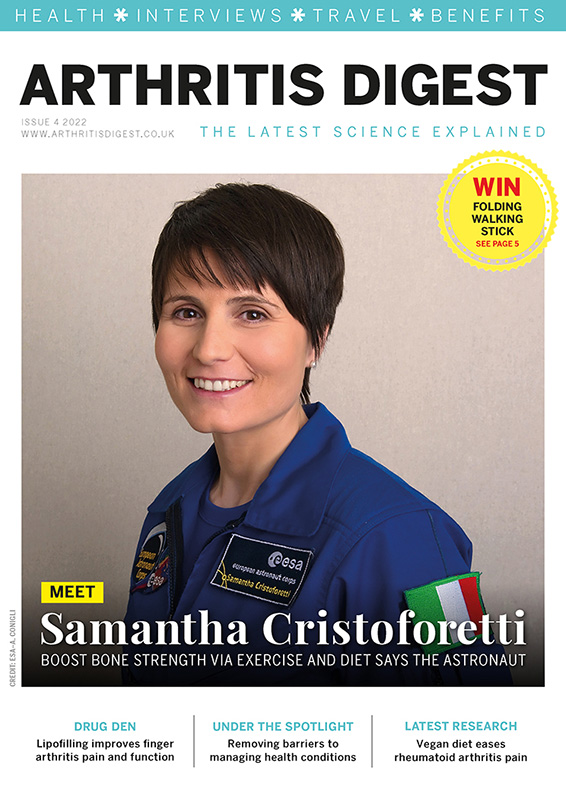

George Coles is a Senior Orthotist who qualified in Prosthetics and Orthotics from Salford University. George has worked at Queen Mary’s Hospital and King’s College Hospital and is currently based at The London Orthotic Consultancy.