
We’re happy to answer any questions you might have, with no commitment to proceed with treatment.
Pars stress fracture (spondylolysis)
A pars stress fracture is a small crack in the vertebra in the lower spine, caused by repetitive stress or overuse.
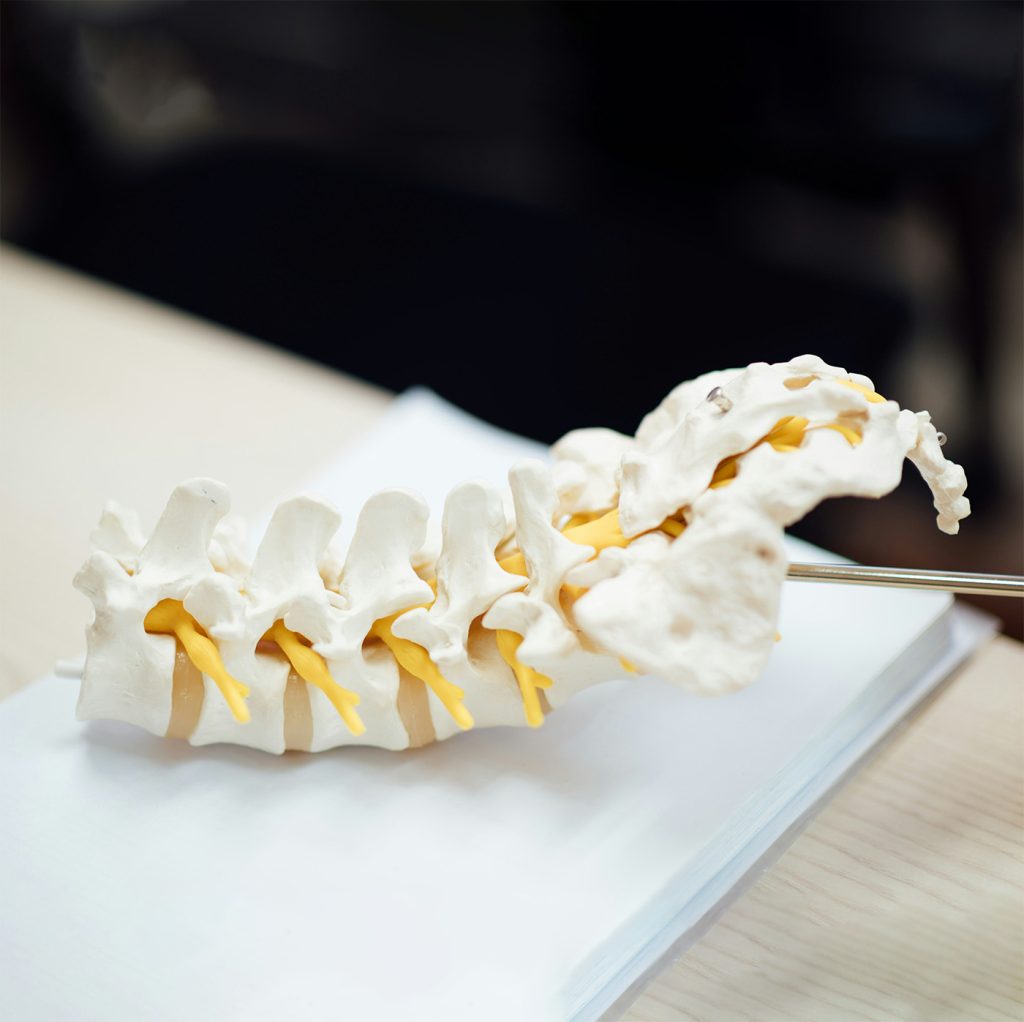
What is pars stress fracture?
A pars fracture (also called spondylolysis) is a stress fracture in a part of the vertebra called the pars interarticularis, which connects the facet joints of the spine.
Stress fractures can happen on one side (unilateral) or both sides (bilateral) of the vertebra. The most common location for this fracture is the lower spine, specifically the L5 vertebra.
If not properly treated, a pars fracture can lead to more serious issues like spondylolisthesis, where a vertebra slips out of position.
Symptoms
Common symptoms of pars fracture include:
- lower back pain (either on one side or both)
- pain that worsens with activity
- pain in the back, legs, or thighs
- a “pins and needles” sensation in the leg, sometimes with numbness or weakness
Causes
These stress fractures usually occur during childhood or adolescence and are common in young athletes. It’s most often caused by repetitive load and stress, rather than an acute, single event.
Young fast-bowling cricketers are particularly at risk for this type of injury.
Pars fracture risk in young cricketers
Recently, we’ve seen a rise in teenage cricket players being referred to us with pars stress fracture.
This increased risk of pars stress fracture particularly affects fast bowling cricketers aged between 14 to 17, who are more vulnerable to this injury because their skeletons are still growing.
The unique fast bowling action, which combines a long run-up and powerful motion, puts extreme strain on the lumbar spine.
Research shows that 67% of fast bowlers will experience a pars stress fracture at some point in their cricket careers.

Treatment
Treatment for pars fractures usually involves rest and a bespoke brace to stabilise the spine. In more severe cases, or cases that don’t improve with conservative treatment, surgery may be needed.
See more about our pars fracture treatment page
Avoid surgery and speed up recovery times with a bespoke pars fracture brace
Early diagnosis and brace fitting can shorten recovery time from pars stress fracture. Get seen quicker with our same-day brace fitting service.
