

We’re happy to answer any questions you might have, with no commitment to proceed with treatment.
Special pillows for babies

Flat head syndrome: what you need to know
It’s completely normal for parents to feel concerned if they notice their baby’s head developing flat spots or becoming misshapen. Often, this is a sign of flat head syndrome, or positional plagiocephaly. This condition happens when pressure is applied to a baby’s soft skull, causing it to change shape. This pressure can come from things like the way they sleep, time spent in car seats, or even the way their head is positioned during childbirth.
But don’t worry. While flat head syndrome can seem worrying, it’s usually treatable, and it’s important to get the right information to help your baby’s head shape return to normal.
So, do special pillows really work?
You may have seen special pillows being marketed as a solution to prevent flat head syndrome. These pillows come in different shapes and sizes, and some cost less than £10.00 online. But, unfortunately, the answer is no, these pillows don’t actually work. What’s more, they can be unsafe.
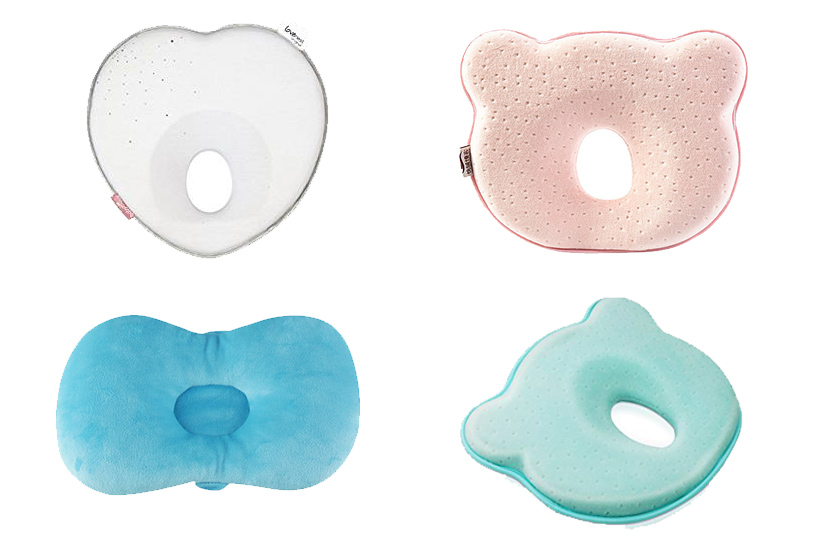
Are they safe?
The biggest concern with these pillows is safety. Experts, including those from the NHS and the Lullaby Trust, strongly advise against using pillows or any soft objects in your baby’s crib. These items increase the risk of suffocation, which can lead to sudden infant death syndrome (SIDS).
What causes flat head syndrome?
The rise in flat head syndrome is largely due to the “Back to Sleep” campaign, which started in the 1990s. The aim was to reduce SIDS by encouraging parents to place babies on their backs to sleep, which has been hugely successful. But, as babies sleep on their backs more often, they are more likely to develop flat spots on their heads.
![A doll lies in an unsafe infant sleeping environment at the Family Health Care clinic at the Joint Base Elmendorf-Richardson hospital, Alaska. Photo by Airman 1st Class Christopher Morales [Public domain], via Wikimedia Commons.](https://loc.devchd.com/wp-content/uploads/2025/01/all_about_babies_class_is_back-_baby_151223-f-wt808.jpg)
What can you do to help?
The best thing you can do is follow the advice from the Back to Sleep campaign: always place your baby on their back to sleep, with no pillows or soft objects around them. This helps reduce the risk of SIDS. But we know you don’t want your baby’s head to become misshapen either, so here’s what you can do:
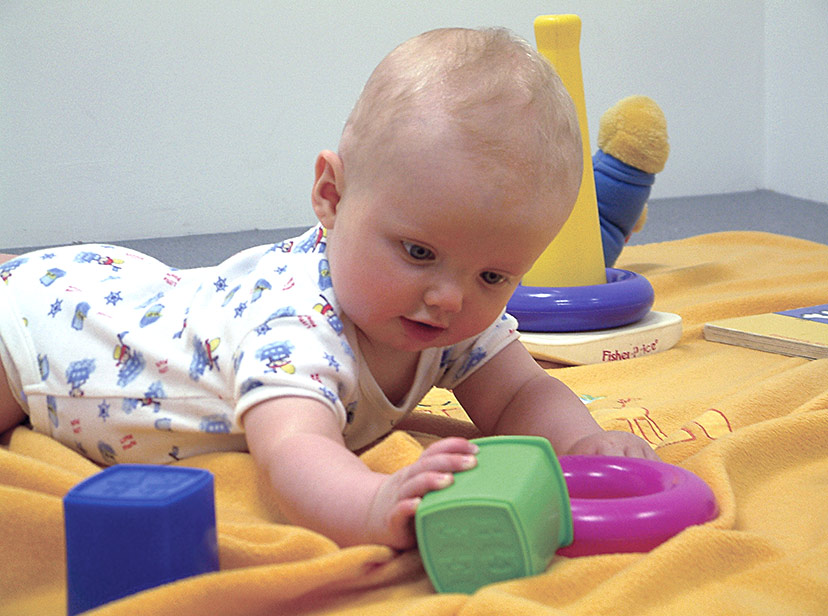
- Tummy time: This is essential for strengthening your baby’s neck and trunk muscles. It also helps prevent pressure on the back of their head. Try to encourage tummy time when your baby is awake and supervised.
- Repositioning: Gently change your baby’s head position while they’re asleep. This reduces pressure on any one part of their skull.
- Don’t wait too long: The earlier you spot the signs of flat head syndrome, the easier it is to treat. If you notice your baby’s head is starting to flatten, come and see us at LOC as soon as possible. The sooner we act, the better the results.
What about helmets for treatment?
At LOC, we offer bespoke orthotic treatment with our LOCband helmets. These are custom-made to fit your baby’s head perfectly, and they help guide the skull back into shape. The process is comfortable, and the results are usually impressive. Typically, the treatment takes around three to six months, and the earlier we start, the better the outcome. Research shows that 94.4% of babies treated with helmets achieve full correction of their flat head.
What should you avoid?
The safest option is always a bare crib. Avoid using pillows, wedges, or any sleep positioners that claim to prevent flat head syndrome. These products haven’t been shown to work, and they can be risky.
At LOC, we follow all the expert guidelines to ensure your baby’s safety. Our team is here to support you and offer the best treatment options for your baby’s needs.
In summary:
- Place your baby on their back to sleep, with no soft objects in the crib.
- Give tummy time when your baby is awake to strengthen their muscles.
- If you notice any flat spots or changes in head shape, bring your baby to us as early as possible.
- We offer bespoke treatment with the LOCband helmet for safe and effective results.
- If you have any questions or need advice, don’t hesitate to reach out to us. We’re here to help.